
Logo
Get Estimate

Basement Water Removal in New Jersey

We pump, dry, and protect your basement after flooding.


Basement Water Removal in New Jersey gets standing water out of your home and starts drying floors, walls, and contents before moisture spreads. Our team helps homeowners and property managers facing burst pipes, sump pump failure, stormwater intrusion, or sewage backup. We combine basement water extraction New Jersey service with moisture checks and practical next steps, so you know what is wet, what needs removal, and how we will move the job forward.

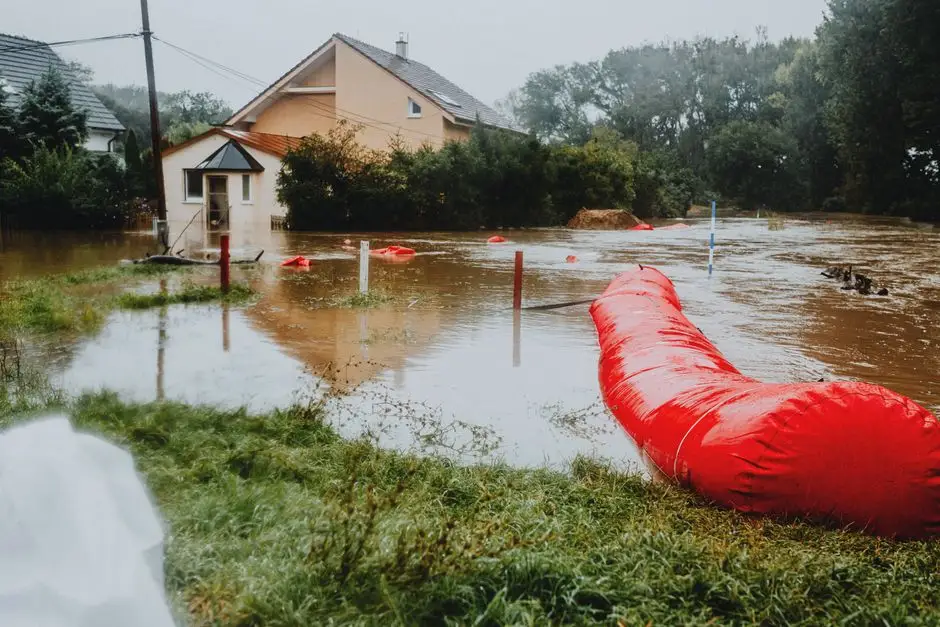
Flooded residential area protected by red flood barriers, showing severe weather impact.
Licensed Licensed & Bonded
Fully Insured Insured & Bonded
24/7 Emergency Same-Day Response
Warranty Backed Workmanship Guaranteed

What Basement Cleanup Covers

Basement Water Removal includes an initial hazard and source check, pumping or extraction of accessible standing water, moisture inspection, and setup of suitable drying equipment. We explain which materials can be dried and which are too damaged or contaminated to keep. Repairs to plumbing, major reconstruction, and specialized contents restoration are separate work; we identify those needs and discuss the next step without confusing them with water removal.

Water Source Assessment

We inspect the visible source and affected area to distinguish burst pipes, sump pump failure, appliance leaks, and stormwater intrusion. That decision shapes the pump, protective equipment, and cleanup method. We also note electrical hazards and signs that water may be contaminated before entering the work zone.

Standing Water Extraction

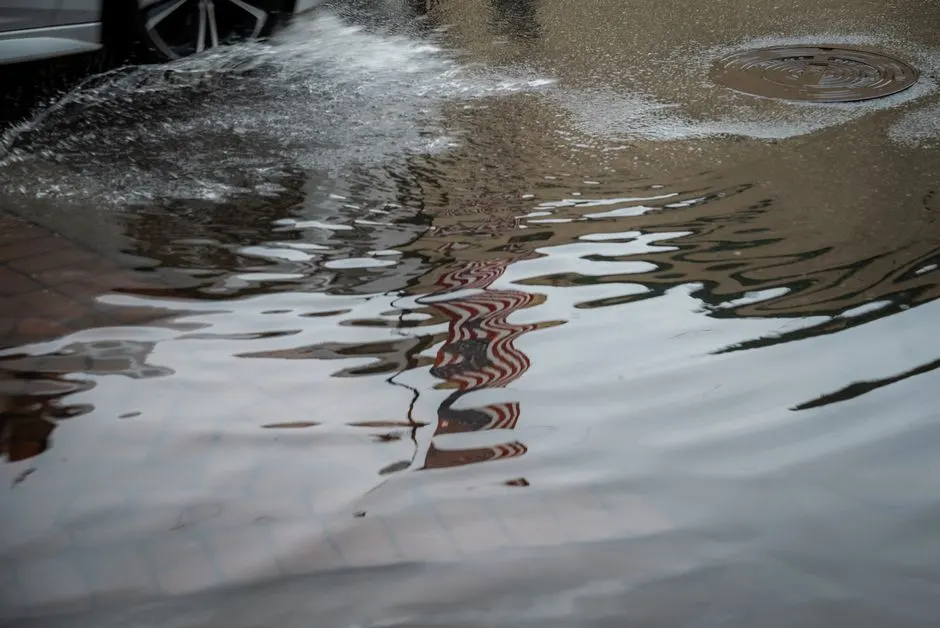
We remove pooled water with a submersible pump, portable pump, or extraction equipment selected for the depth and access. After bulk pumping, we collect residual water from reachable floor edges and low spots. The goal is to clear the water without pushing it into unaffected rooms.

Moisture Mapping

We check affected surfaces and materials with a moisture meter, looking beyond visible puddles to lower drywall, flooring, and baseboards. Readings help identify where water traveled and provide a way to track progress. You can use those findings to understand why a room still needs drying equipment.

Drying Setup

Air movers and a commercial dehumidifier are placed according to the wet materials and room layout. We explain equipment access, expected operation, and when readings will be checked. If contamination is present, we address cleaning and disinfectant requirements based on the water source and product label.

Affected Material Review

We review carpet and carpet padding, drywall, insulation, and wood flooring for saturation or contamination. You get a practical distinction between materials that can be dried and items that need removal. This helps prevent hidden moisture from being sealed behind a repair before the structure is ready.

Basement Water Removal in New Jersey


Basement Water Removal in New Jersey is an emergency property-cleanup service that removes standing water and begins drying affected building materials after a leak or flood. We inspect the water source, identify electrical and contamination hazards, then choose a submersible pump, portable pump, or truck-mounted water extraction unit based on depth and access. After pumping, we use a moisture meter to check floors and lower walls; a dry-looking surface can still conceal water in subflooring or behind baseboards. The goal is to remove water promptly and limit secondary damage.

New Jersey homes face different basement risks, from heavy rain and saturated ground to frozen pipes, appliance leaks, and coastal flooding. Older foundations may allow seepage at wall joints, while a failed sump pump can leave several inches of water around stored belongings. If you are wondering how to remove standing water from a New Jersey basement, avoid walking through it until electrical hazards and possible sewage contamination are assessed. We set the right pumping and drying plan for the source, depth, and materials.

What Happens During Cleanup

Basement Water Removal in New Jersey follows a practical sequence: make the area safer, remove bulk water, locate retained moisture, and dry or remove affected materials. We explain each stage as we work, so you can protect belongings and plan access around the equipment.

01

Schedule

Call or book online — a real human picks up and confirms a 2-hour arrival window.

02

Diagnose

Licensed tech inspects on-site, then walks you through the cause and your options.

03

Fix

The job is completed to code and done right the first time — no shortcuts, no surprises.

04

Guarantee

Every job backed by a written workmanship warranty — and we stand behind it.

Pumps, Drying, And Checks

Tools & Equipment

Truck-mounted water extraction unit

Used when access and water volume make high-capacity extraction practical. We route hoses carefully, remove bulk water, and finish floor edges with smaller tools where the large unit cannot reach.

Submersible pump

A submersible pump moves deeper standing water from a basement low point. We select and position it to avoid pulling debris into the equipment and to keep the discharge route controlled.

Moisture meter

We use a moisture meter to compare affected materials with drier areas and track changes during drying. It helps identify water retained in drywall, baseboards, flooring, and other accessible materials.

Commercial dehumidifier

A commercial dehumidifier draws moisture from basement air while air movers direct circulation over wet surfaces. We place the equipment around the actual room conditions and review readings as drying progresses.

HEPA air scrubber

Where the work conditions call for airborne particle control, a HEPA air scrubber helps filter air within the controlled work area. We use containment plastic sheeting when needed to limit migration into adjoining spaces.

Methods & Standards

Water-source classification

We identify whether water came from a clean supply line, a household drain, or outdoor flooding before selecting cleanup steps. Source matters because stormwater and sewage carry different contamination risks from a broken water line. The classification also guides protective equipment, material handling, cleaning, and whether antimicrobial treatment is appropriate.

Bulk extraction followed by detail work

Pumping removes the largest volume first; vacuum extraction then addresses residual water at edges, seams, and accessible low spots. We do not treat a dry-looking floor as proof that the structure is dry. Moisture checks determine whether lower drywall, carpet padding, or subflooring needs additional attention.

Controlled structural drying

We use air movement and dehumidification to encourage moisture to leave affected materials, then monitor the response with readings. Equipment placement changes with room layout, temperature, and material type. If water entered a wall cavity or insulation, we evaluate that assembly rather than relying on surface airflow alone.

Safe cleaning and disinfection

When contamination requires cleaning, we protect the work zone and follow EPA-registered disinfectant label compliance, including application directions and contact time. We use personal protective equipment appropriate to the hazard and keep clean contents separate from affected items. Treatment is selected for the water source and materials, not applied as a blanket substitute for removal.

When To Call For Pumping

01

A frozen pipe breaks overnight and water is spreading from a utility room into finished basement space.

What we do: We first assess electrical and access hazards, then help stop the inflow and remove the water with pumping equipment suited to the room. We check nearby drywall, baseboards, and flooring for moisture that has traveled beyond the visible puddle, then establish a drying plan.

→ You get the water out, a clearer map of affected materials, and equipment focused on drying the areas that remain wet.

02

Heavy rain overwhelms a sump pump, leaving several inches of water around storage and laundry equipment.

What we do: We pump from the lowest points, protect the route through the home, and separate salvageable belongings from wet materials. The technician checks whether water is still entering and measures moisture near the foundation wall and floor edge before positioning drying equipment.

→ The floor is cleared and the remaining work is based on actual moisture conditions, not a guess from the surface.

03

A basement floor drain backs up and foul water reaches carpet, cardboard boxes, and stored household items.

What we do: We treat the water as contaminated, restrict access, and wear protective equipment appropriate to the conditions. After removing the water, we identify porous items and materials that require disposal or specialized cleaning, then clean and disinfect suitable surfaces according to label directions.

→ Contaminated materials are handled separately from salvageable contents, reducing the chance of spreading sewage through the home.

04

A water heater leaks slowly for hours, leaving a damp floor without a large visible pool.

What we do: We extract remaining water from floor joints and inspect nearby wall and flooring materials. Moisture readings help reveal where the leak traveled, while air movers and dehumidification target damp surfaces. We also help you distinguish the cleanup from the plumbing repair needed to stop the leak.

→ The basement gets a documented drying direction, and you can address the failed appliance without leaving hidden moisture unchecked.

Basement Response Across New Jersey

Basement Water Removal in New Jersey has to account for varied construction and weather. In older urban housing, narrow stairs, shared entries, and finished lower levels can limit how pumps and hoses move through the property. Suburban homes often have sump pits, storage rooms, and carpeted recreation spaces; coastal properties face storm surge, tidal flooding, and salt-bearing water. By late fall and winter, freezing temperatures raise the risk of burst pipes, while spring rain can saturate soil and test foundation drainage. We plan the work around the source, access, and materials instead of assuming every basement is alike. Our team provides New Jersey flooded basement cleanup by pumping standing water, checking moisture, and setting drying equipment suited to the room. If you need professional basement drying after water removal, we monitor the affected materials and explain what readings mean. We also follow relevant safety practices and product labels; building repairs and contractor registration requirements are considered separately from emergency extraction.

Neighborhoods We Serve

  • Downtown Newark

    Tight street access and shared entrances can affect hose routing and equipment staging. We plan a safe path through common areas and protect dry sections of the property.

  • Elizabethport

    Low-lying properties and stormwater exposure make it important to identify whether water entered from outdoors or from a plumbing failure before cleanup begins.

  • North Plainfield residential blocks

    Basements with storage and finished floor sections need careful separation of wet belongings from dry contents while pumping and moisture checks proceed.

  • Atlantic City coastal blocks

    Coastal and tidal flooding can leave sediment and saltwater in lower spaces. We treat that exposure differently from a clean supply-line leak.

Local Conditions We Plan For

  • Late-fall freezes increase the chance of burst supply pipes

    A pipe can release water into a basement before anyone notices, especially near utility areas and exterior walls. We check whether the source is active, remove standing water, and inspect adjacent materials for water that traveled beneath finishes.

  • Spring storms saturate soil around foundation walls

    Heavy rain can overwhelm sump pumps and push seepage through joints or floor cracks. Water may return while pumping is underway, so we watch for continuing entry and explain when a drainage or foundation repair is needed.

  • Coastal and tidal flooding introduces sediment and saltwater

    Floodwater can contaminate porous materials and leave residue after the visible water drains away. We identify exposure, remove affected water, and select cleaning and drying steps for the materials and source rather than treating it like a simple appliance leak.

Sump Failure After Heavy Rain

Before

A failed sump pump left roughly three inches of water across a 600-square-foot basement. Carpet and carpet padding were soaked near the stairs, cardboard storage boxes sat in standing water, and the lower drywall felt damp. The homeowner had switched off the pump but could not tell whether water was still entering through the foundation.

After

We pumped the standing water, removed residual water from the floor edges, and checked the carpet, padding, and lower wall. Air movers and a dehumidifier were positioned for the wet area, with follow-up readings planned. The visible water was cleared in several hours; drying continued over the following days as material readings improved.

Maintenance: Test the sump pump before periods of heavy rain, keep the discharge route clear, and move cardboard storage off the floor. Check the pit for debris and arrange repair if the pump cycles abnormally.

Before

A slow water heater leak spread across a small utility room and under nearby wood flooring. The puddle looked shallow, but the floor edge and baseboard were damp. Boxes stored beside the tank had absorbed water, and the leak had not yet been confirmed as stopped.

After

We removed pooled water, checked the flooring and baseboard with a moisture meter, and separated wet contents from dry belongings. Once the leak source was controlled, we set targeted air movement and dehumidification. The room was cleared of surface water the same visit, with drying monitored over the next two to four days.

Maintenance: Inspect the tank base and nearby fittings for fresh moisture, keep the floor around the heater clear, and replace a failing unit or connection promptly. Do not store absorbent boxes directly beside the appliance.

Before

After a coastal storm, a lower-level room held water mixed with fine sediment. A few inches reached stored belongings and the bottom of the wall finish. The homeowner was unsure whether the water was safe to mop and whether the damp carpet could be saved.

After

We assessed the floodwater exposure, used protective equipment, and pumped the water before reviewing affected contents and carpet materials. We separated items that needed specialized handling and started controlled drying. The bulk water was removed in a few hours; additional cleaning and drying depended on the materials and their measured condition.

Maintenance: Keep important items in sealed, elevated storage, clear exterior drainage paths before storm season, and photograph damage after the area is safe. Have repeat entry points assessed so the same room is less exposed next time.

Stop Basement Flood Damage Early

A basement flood affects more than the visible puddle: water can wick into wallboard, soak stored belongings, and remain under flooring. We find the source, remove water, and check the materials that are easiest to overlook. Early action reduces the time wet surfaces remain in place and gives you a clearer path to cleanup.

Problem

Sump pump failure leaves water across the basement floor

Standing water can soak carpet padding, stored boxes, and lower drywall. If it remains, hidden moisture increases the chance of odor and secondary mold growth.

Our Fix

We remove pooled water with suitable pumping equipment, inspect low points and adjacent materials, and set drying equipment where readings show moisture. For New Jersey basement cleanup after sump pump failure, we also identify whether stormwater or another source is still feeding the area so the basement does not refill during the work.

Problem

A burst pipe floods a finished room overnight

Water spreads under flooring and behind baseboards while the room appears only partly wet. Delayed extraction can leave subflooring and wall cavities damp after the surface dries.

Our Fix

We assess whether the supply is still active, remove water from the floor, and map affected materials with a moisture meter. We explain what can be dried and what needs removal, then position air movers and a dehumidifier to address the wet zone rather than simply circulating air through the room.

Problem

Sewage backup reaches stored items and floor drains

Contaminated water can expose porous belongings and surfaces to pathogens. Ordinary household cleanup methods can spread contamination into cleaner areas.

Our Fix

We treat sewage backup as a contamination issue, use appropriate personal protective equipment, and control the work area. The team removes affected water and identifies porous materials that require disposal or specialized handling. Cleaning and antimicrobial treatment follow applicable product label directions and the contamination conditions.

Problem

Rainwater seeps through a foundation after a storm

Repeated seepage can dampen the same wall and floor edge, damage finishes, and leave moisture concealed behind stored items or wall coverings.

Our Fix

We extract water from the affected area, inspect lower walls and flooring, and check moisture levels beyond the visible entry point. Drying addresses the immediate wet materials; we also explain what drainage or building repair concern should be addressed to reduce repeat water entry.

Dryer Rooms, Fewer Surprises

Dryer Rooms, Fewer Surprises

Our work is built around measurable progress: water removed, affected materials identified, and drying equipment placed where it can do useful work. We explain what we find in plain language and keep the next step clear.

  • Water Out Faster

    A pump removes bulk water far faster than repeated bucket runs or a household wet/dry vacuum. For a 500-square-foot basement with two inches of water, that is roughly 620 gallons to remove before detailed extraction begins. We choose equipment for the water depth and route, then check corners and low spots rather than stopping when the center looks clear.

  • Hidden Moisture Found

    Wet drywall, carpet and carpet padding, and wood flooring hold moisture after visible puddles disappear. We map readings across affected areas with a moisture meter and use thermal imaging where it helps locate temperature patterns that warrant closer inspection. You get a clearer picture of what can be dried in place and what is too saturated to keep.

  • Drying With Control

    Air movers direct airflow across damp surfaces while a commercial dehumidifier removes moisture from the room. We place and adjust equipment based on readings, not guesswork. If conditions support the plan, we recheck daily or at agreed intervals until affected materials approach their appropriate dry standard.

  • Safer Cleanup Decisions

    Water from a sewage backup or outdoor flood carries a different risk from a clean supply-line leak. We identify the source before handling contents and use personal protective equipment where conditions require it. That distinction guides whether materials need cleaning, antimicrobial treatment, or removal instead of ordinary drying.

Training And Safe Work

Licensed & Certified

  • Water Damage Restoration Technician (WRT) — issued by Institute of Inspection, Cleaning and Restoration Certification
  • Applied Structural Drying (ASD) — issued by Institute of Inspection, Cleaning and Restoration Certification
  • Applied Microbial Remediation Technician (AMRT) — issued by Institute of Inspection, Cleaning and Restoration Certification
  • OSHA Hazard Communication Standard — issued by Occupational Safety and Health Administration

Verified Reviews

Google ★★★★★4.9

Our sump pump failed after a long rain, and the basement had water around the laundry area. The crew pumped it out, checked the walls, and explained why the carpet padding needed attention. They showed us the moisture readings and kept the equipment organized so we could still reach the utility panel.

Yelp ★★★★★4.8

A pipe burst while we were away and soaked part of the basement. The team focused first on stopping the water and checking safety, then extracted the water and set drying equipment. We got a straightforward explanation of the wet flooring and what would be checked next.

Google ★★★★★5.0

Stormwater brought mud into our lower level. The crew did not treat it like a clean leak: they removed the water, separated affected belongings, and explained the cleaning steps. The basement was cleared of standing water the same visit, and the follow-up drying plan made sense.

Hands-On Restoration Knowledge

Basement Water Removal in New Jersey requires more than pumping; the source, water category, and construction materials determine the right response. Our technicians use established restoration practices, document moisture conditions, and adjust drying as readings change. Relevant training includes IICRC Water Damage Restoration Technician (WRT) and, for structural drying work, IICRC Applied Structural Drying (ASD). We also follow equipment instructions, OSHA Hazard Communication Standard practices, and EPA-registered disinfectant label compliance when products are used. We do not guess at concealed damage; we check it.

  • We distinguish clean supply-line water from sewage backup and stormwater before choosing cleanup and protective measures.
  • Moisture readings help track drywall, flooring, and subflooring instead of relying on touch or appearance alone.
  • Air movers and dehumidifiers are positioned to serve wet materials, with equipment checked as the room dries.
  • We use personal protective equipment appropriate to the work and follow applicable OSHA respiratory protection requirements.
  • Where microbial remediation is needed, IICRC Applied Microbial Remediation Technician training informs safe handling and treatment decisions.
Get Started Today
Hands-On Restoration Knowledge

Basement Water Removal Questions

Real answers to the questions we hear most often from local homeowners and property managers.

Who offers basement water removal near me in New Jersey?
New Jersey Water Extraction Pros provides basement water removal across New Jersey, including Elizabeth, Plainfield, Atlantic City, Paramus, and North Plainfield. Call +18668968166 and tell us the water source, approximate depth, and whether the basement has power. We use that information to prepare appropriate pumping and safety equipment. If the water may contain sewage or reached electrical outlets, stay out of the room until it is assessed.
How much does flooded basement cleanup cost?
A straightforward 2026 flooded-basement cleanup commonly ranges from $500 to $3,500, depending on water volume, contamination, access, and drying needs. A small clean-water spill can cost less; sewage, soaked insulation, or extensive material removal raises the total. We give upfront pricing for the agreed work before proceeding. Your final cost reflects labor, pumping time, equipment days, disposal, and any treatment required by the water source.
How long does basement water extraction take?
Pumping often takes one to four hours, while complete structural drying commonly takes two to five days. Depth, room size, carpet padding, humidity, and access affect the schedule. We remove standing water first, then use moisture readings to track materials as air movers and dehumidifiers run. A basement with several inches of water or soaked wall cavities needs more time than a small, hard-floor leak.
Should I enter my basement before floodwater is removed?
No, do not enter if water is near electrical equipment, sewage may be present, or the source is unknown. From a dry location, shut off power only if the breaker is safely accessible, and keep children and pets away. We assess hazards before pumping and wear personal protective equipment when conditions call for it. Avoid moving wet belongings through clean parts of the home until the water source is identified.

Related Water Cleanup Services

Emergency Water Extraction

An active basement leak needs bulk water removed before it spreads into storage areas or finished rooms. Emergency Water Extraction handles urgent pumping and surface recovery, then helps establish the next drying steps for affected floors and lower walls.

View Emergency Water Extraction

24/7 Water Removal

A pipe can break at 2 a.m. and keep soaking the basement until the source is controlled. 24/7 Water Removal connects urgent calls with a response plan for assessing hazards, stopping the inflow where possible, and removing pooled water.

View 24/7 Water Removal

Flood Water Removal

Floodwater entering through foundation openings or a storm drain can carry sediment and contaminants. Flood Water Removal addresses the water source and debris, then supports appropriate cleaning and drying rather than treating outdoor floodwater like a clean plumbing leak.

View Flood Water Removal

Standing Water Removal

When water remains in low spots after the leak stops, Standing Water Removal clears the puddles that a mop cannot handle. We select a pump or vacuum according to water depth and floor access, then check edges and corners for residual moisture.

View Standing Water Removal

Residential Water Extraction

Residential Water Extraction covers basement leaks in homes, from a water heater failure to a flooded laundry area. We protect unaffected rooms, remove water from accessible surfaces, and assess carpet, flooring, and contents for moisture exposure.

View Residential Water Extraction

Commercial Water Extraction

A flooded basement in a mixed-use or commercial building can affect storage, mechanical equipment, and shared access. Commercial Water Extraction organizes pumping around building operations, documents affected zones, and helps keep water from spreading into adjoining spaces.

View Commercial Water Extraction

Get Basement Water Removal Moving

Standing water does not wait for a convenient time. Call New Jersey Water Extraction Pros at +18668968166 and share the water source, depth, and any safety concerns. We will help you take the next practical step; our team provides upfront pricing for the agreed work.

Call Now Call For Help

Contact Our Referral Team

Call New Jersey Water Extraction Pros at +1 866-896-8166 any time to report a leak, flooded basement, or stormwater problem. Our referral line is open 24/7, and we connect you with independent companies serving New Jersey communities. Tell us the source of the water and your location so we can direct your request to a local provider.

Or call us right now at +18668968166 — we answer.

New Jersey Water Extraction Pros


  • Phone

    +18668968166
  • Address

    New Jersey

  • Hours

    Mon–Fri: 7AM – 7PM
    Sat: 8AM – 4PM
    Sun: Emergency Only
    24/7 Emergency Available

Call +18668968166 Get Quote
Call Quote