Residential Water Extraction for Plainfield Homes
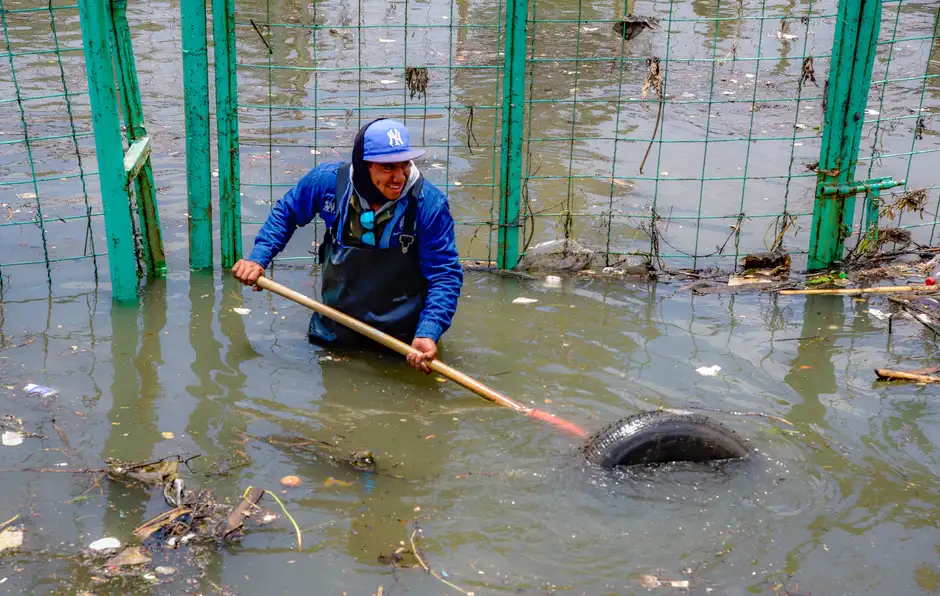
Plainfield homeowners call us after burst pipes, appliance leaks, water heater failures, sump pump problems, and rain entering a basement. Older homes often combine finished lower levels, stored belongings, and aging plumbing, so we check beyond the first visible wet spot. Our residential water extraction plan starts with source control and water removal, followed by inspection of carpet, wood flooring, baseboards, and nearby rooms. We keep you informed about which areas are wet and what should remain accessible during drying. If water came from a drain or outside, tell us before work begins so we can match handling and cleaning to the source. We work around your household's entry paths and prioritize safe access to unaffected rooms.
- Basement water and seepage removal — We pump and extract water from Plainfield basements after sump pump failure, foundation seepage, or a plumbing leak. Our crew checks floor edges, stored belongings, and lower wall sections instead of stopping at the visible puddle. We then position drying equipment where it can reach damp materials without blocking the main stair route.
- Pipe and appliance leak extraction — A failed washer hose, refrigerator line, or pipe can soak flooring before you notice the leak. We remove water from the affected room and inspect adjoining areas where it may have traveled. In Plainfield homes with multiple levels, we also check the ceiling or room below the source for signs of water movement.
- Carpet and floor moisture checks — Wet carpet can hold water in its padding and allow moisture to reach the subfloor. We extract accessible water and use moisture readings to assess whether nearby wood flooring, baseboards, or lower walls remain damp. You get a practical explanation of what can dry in place and what needs additional inspection.
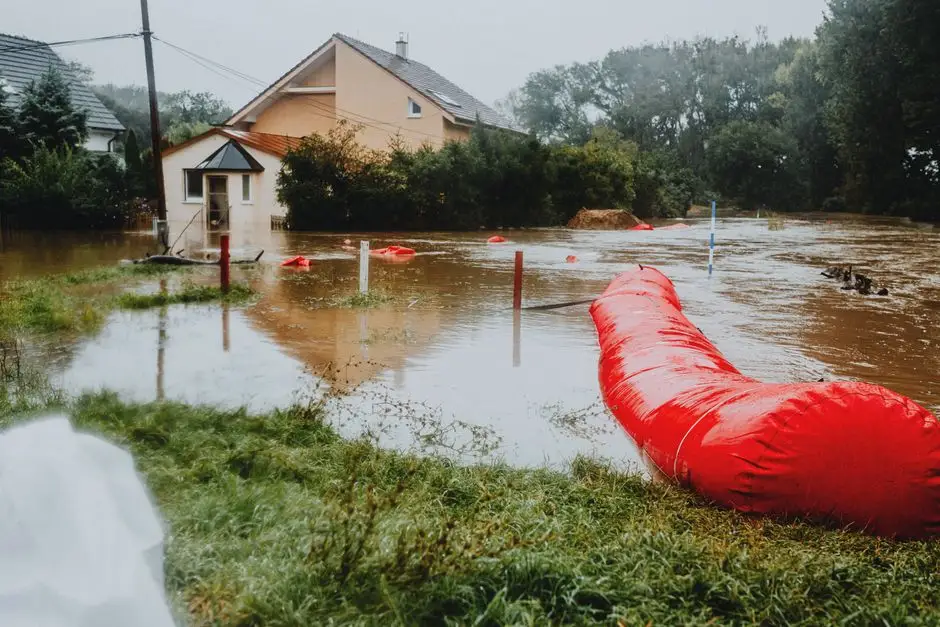
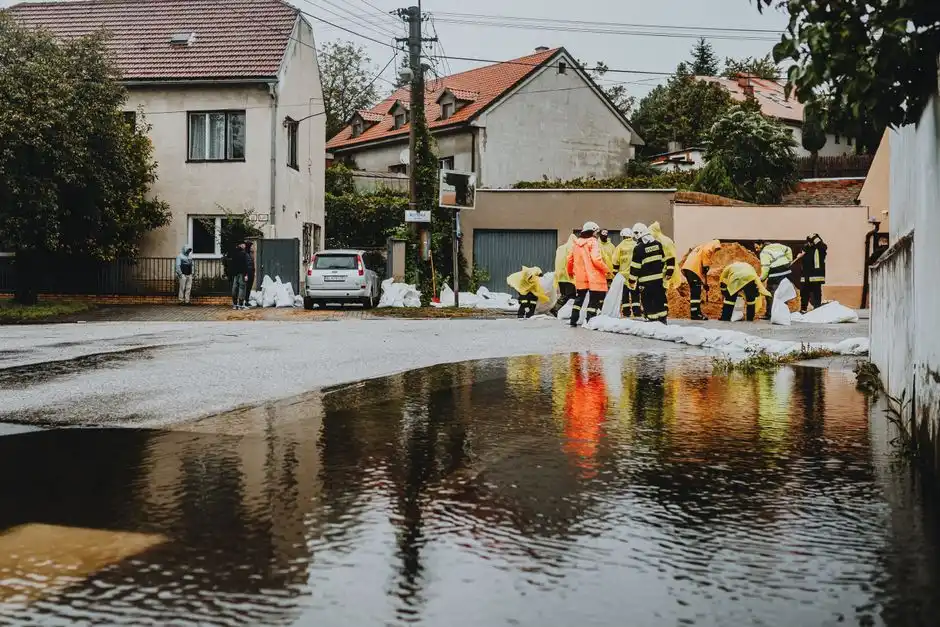
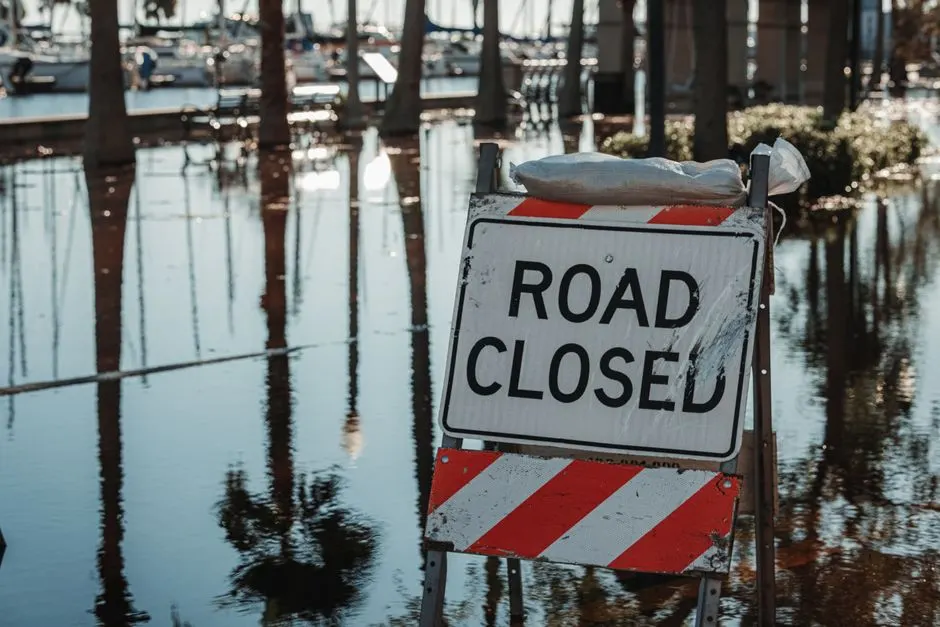
- Stormwater and sump pump response — When rainwater enters a Plainfield basement, we remove standing water and examine the area around the sump and foundation wall. We separate wet contents from the work zone and check for water that has spread beneath stored items. You can then arrange any needed pump or drainage repair with the appropriate trade.