Residential Water Extraction for Somerset Homes
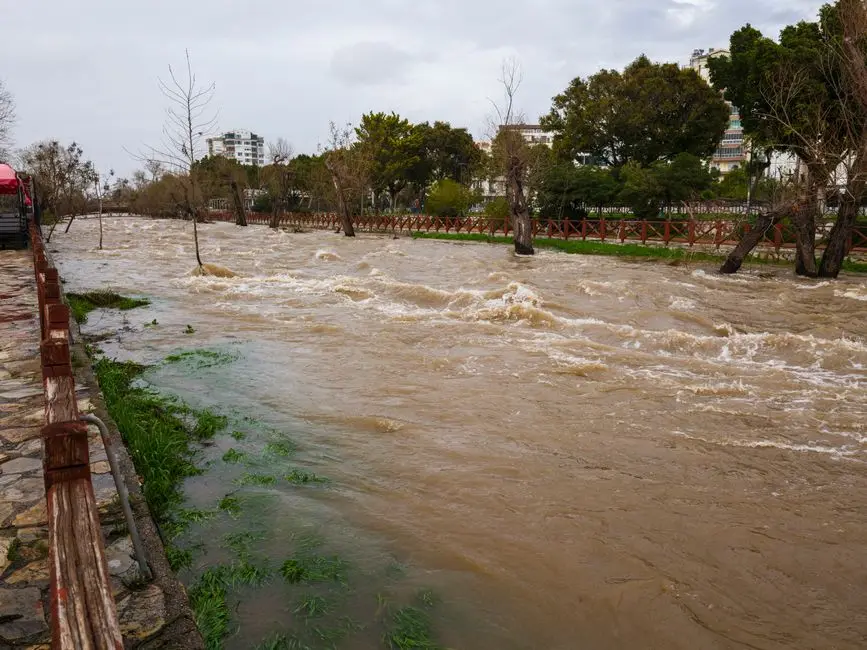
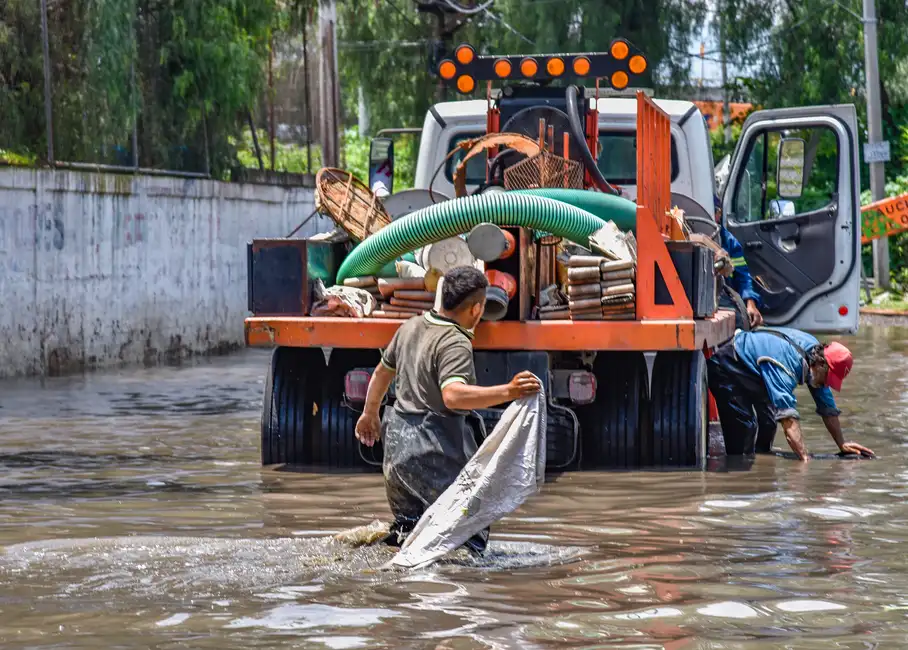
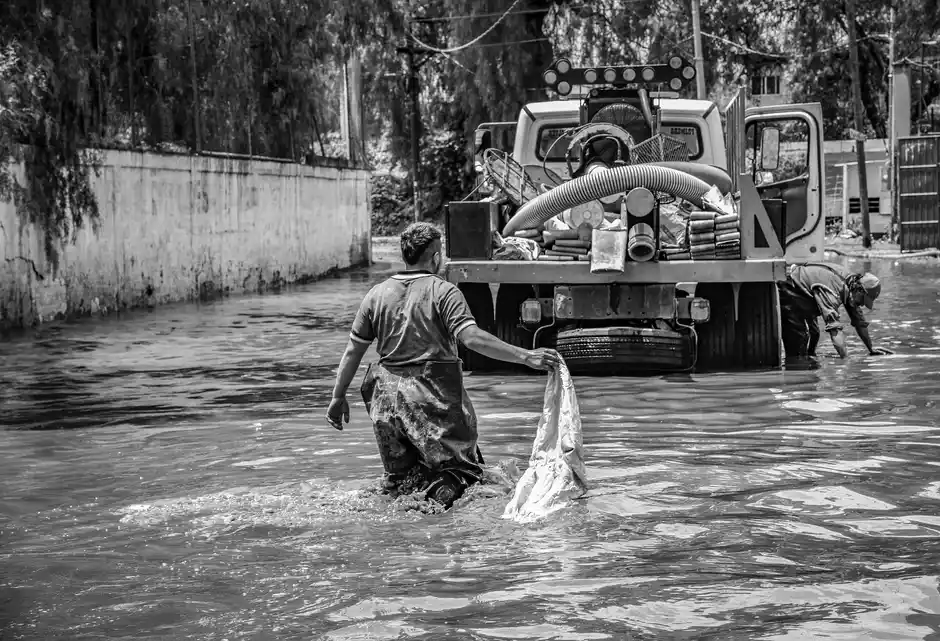
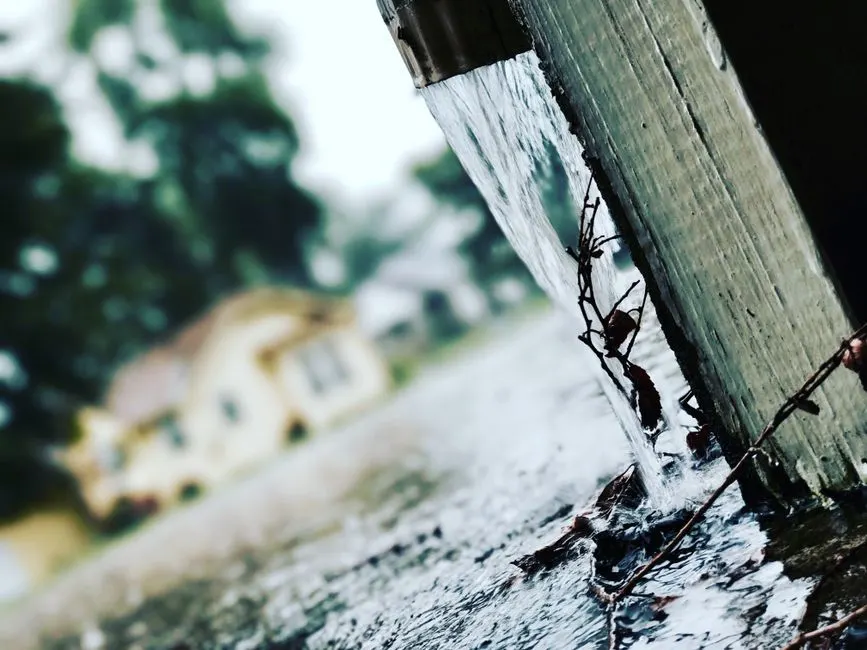
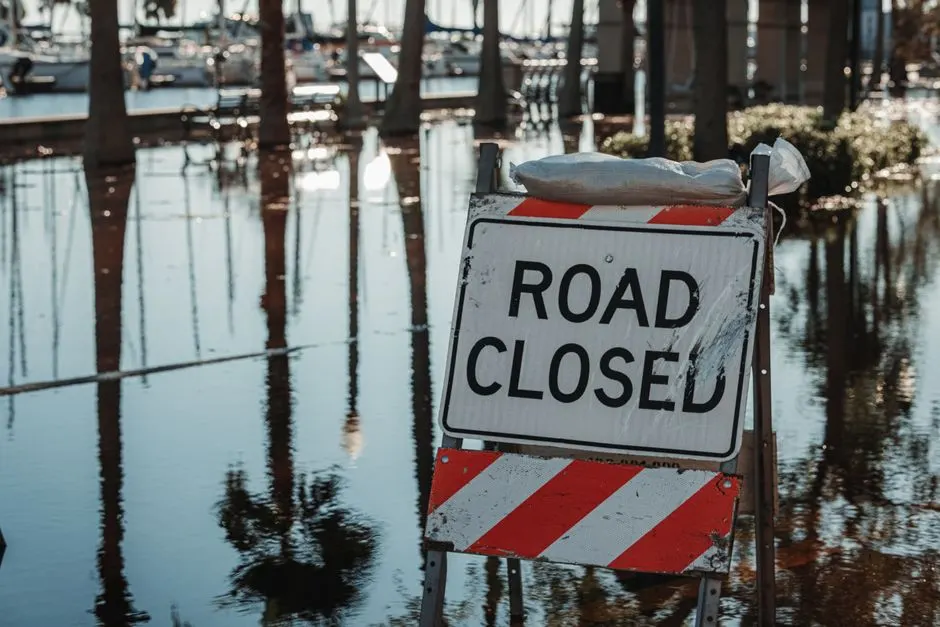
Somerset homes range from detached houses on larger lots to residences with finished basements, utility rooms, and connected living spaces. A leak can move under flooring or behind a wall before you see a large stain, while rain-driven seepage may appear at several points along a basement perimeter. We provide residential water extraction for burst pipes, appliance leaks, water heater failures, sump pump problems, and stormwater. Our water damage cleanup in Somerset begins by protecting dry areas and identifying the source, then we extract water and check the materials most likely to hold moisture. We explain whether carpet padding, baseboards, or sections of drywall need removal, and we keep you informed as readings change. If your family needs access to a kitchen, bedroom, or main walkway, tell us first so we can plan equipment placement around daily use whenever conditions allow.
- Basement and crawl-space extraction — We pump water from Somerset basements and accessible crawl spaces after seepage, sump failure, or a plumbing leak. The crew checks the floor perimeter and lower wall materials, then uses moisture readings to guide drying. Tell us about low-clearance access or stored belongings before arrival.
- Carpet and padding assessment — Wet carpet can conceal saturated padding and subflooring. We inspect the affected edge, extract water, and determine whether materials can be dried or need removal. In Somerset homes, this helps prevent a small room leak from being treated as a surface-only problem.
- Leak and appliance response — A failed dishwasher line, washing machine hose, or water heater can soak nearby cabinets and flooring. We remove water, check connected rooms, and map the wet area. You should stop the supply if safe and tell us whether the leak is still active.
- Contents protection and room setup — We identify belongings that can be moved safely and keep a clear route for household access. For a Somerset family home, we place extraction hoses and drying equipment to limit disruption while keeping affected materials accessible for inspection and repeat moisture checks.